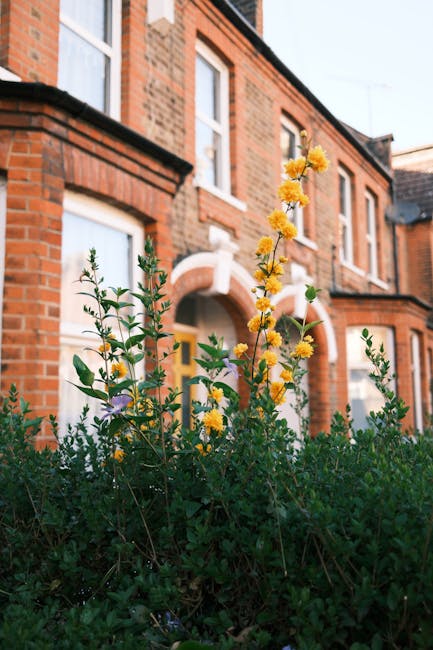
Garden maintenance tips for Deptford High Street terraces
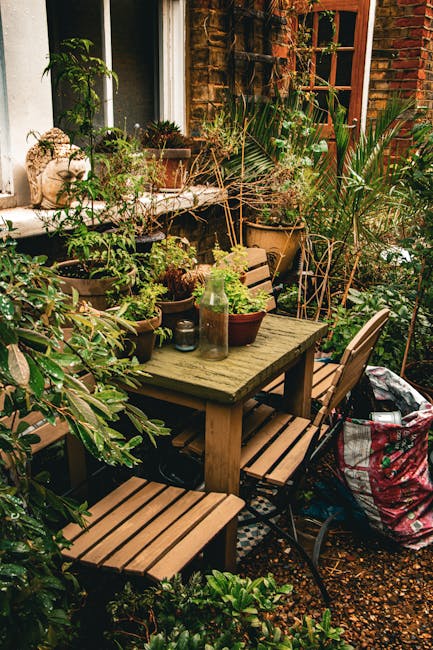
Terrace gardens around Deptford High Street can be lovely little pockets of calm, but they do ask for a different kind of care. Space is tight, winds can funnel between buildings, soil often has to work harder than it should, and every square metre needs to earn its keep. That is exactly why practical garden maintenance tips for Deptford High Street terraces matter: they help you keep things tidy, hardy, and actually enjoyable to use rather than constantly "almost sorted".
Whether you have a narrow yard, a shaded courtyard, a small lawn, or a container-filled patio, the basics are the same: control growth, improve soil, keep water moving, and choose plants that suit the conditions you really have. In this guide, we'll walk through the everyday maintenance tasks, the common mistakes, and the small decisions that make a terrace garden feel calm instead of cramped. Nothing fancy. Just the stuff that works.
Why Garden maintenance tips for Deptford High Street terraces Matters
Terraced homes bring character, but their gardens often sit in tricky conditions. One side may be shaded by a wall for most of the day, another may get sudden gusts, and access can be awkward if the only route is through the house. Add the usual London realities-busy schedules, limited storage, and the temptation to let a few weeds "deal with themselves" for another week-and the garden can drift from manageable to messy quite quickly.
Good maintenance matters because terrace gardens tend to reveal neglect fast. A few fallen leaves become a slippery path. A hedge that was fine in spring can block light by midsummer. Pots dry out in one warm spell, then sit sodden after a rainy weekend. You do not need a grand redesign to improve all this; you need a routine that respects the site.
In our experience, the most successful terrace gardens are not the ones with the most expensive planting. They are the ones where the owners keep on top of the basics: pruning, weed control, watering, feeding, and seasonal checks. Boring? Maybe a bit. Effective? Absolutely.
If your terrace garden is already feeling a bit overgrown, a reset can help. A gentle tidy-up, a clear-out, and some structured maintenance can transform even a neglected corner into something calmer. If you want the groundwork done professionally, services like garden maintenance can support the regular upkeep that small outdoor spaces often need. And for gardens that have slipped further than expected, this garden makeover approach is a useful reminder that a tired space can come back with the right sequence of jobs.
How Garden maintenance tips for Deptford High Street terraces Works
Terrace garden maintenance works best when you think in layers. First comes safety and access: can you walk through the space without tripping over pots, broken slabs, or sprawling stems? Next comes plant health: are shrubs, climbers, herbs, and seasonal bedding getting the right light, water, and nutrients? Then comes presentation: are the edges, surfaces, and structures tidy enough that the garden feels inviting rather than unfinished?
The maintenance cycle is simple, though the rhythm changes through the year:
- Weekly: quick checks, watering, deadheading, sweeping, and weed spotting.
- Monthly: prune soft growth, feed where needed, clean surfaces, and inspect planters for drainage issues.
- Seasonally: heavier pruning, soil refreshes, replanting, winter protection, and structural checks on fencing or supports.
The important thing is not to do everything at once. Small gardens reward consistency. If you let a terrace garden go for six weeks, you often end up doing four jobs at the same time: cutting back, clearing debris, improving soil, and repairing something minor that became annoying. Sound familiar?
Maintenance also needs to match the garden style. A container garden behaves differently from a planted border. A vertical garden needs support and moisture monitoring. A patio with a few statement pots needs less digging but more regular watering and cleaning. For compact spaces, the best results usually come from combining tidy hard landscaping with healthy, easy-care planting such as ground covers, climbers, and well-chosen evergreens. If that sounds useful, the ideas in vertical gardens for taller spaces and ground cover planting ideas may give you a few smart options.
Key Benefits and Practical Advantages
Regular terrace garden maintenance pays you back in several ways, and not all of them are obvious at first glance.
- Better use of space - tidy edges, balanced planting, and clear pathways make even a tiny garden feel larger.
- Healthier plants - pests, disease, and weak growth are easier to spot early.
- Less expensive repair work - minor pruning and cleaning are cheaper than rescuing a garden that has become severely overgrown.
- More usable outdoor time - you are more likely to sit out there if it looks and feels cared for.
- Improved privacy - managed hedges and climbers can shield a terrace without swallowing the space.
- Cleaner surfaces - patios, steps, decking, and seating areas stay safer and more pleasant.
There is also a quieter benefit: maintenance makes the garden feel less mentally demanding. A lot of people with terrace spaces say the same thing after a tidy-up-"I can think again out there." That matters. A neat side return or courtyard can become a real pause space, not just a patch of outdoors you ignore.
For privacy and screening, well-chosen hedges and climbers can do a lot of heavy lifting. You can explore the subject further in ideas for quick hedge-based screening and evergreen climbers for shady corners. Those kinds of plants are especially useful where neighbour sightlines, limited wall space, or low winter light are part of the picture.
Who This Is For and When It Makes Sense
This guidance is for anyone managing a terrace garden in or around Deptford High Street, but especially for:
- homeowners with narrow front or rear terraces
- tenants who want a tidy outdoor area without major changes
- busy households that need low-fuss maintenance
- pet owners trying to keep the garden safe and usable
- people with containers, raised beds, or wall-trained planting
- anyone inheriting a garden that is a bit untidy and needs a realistic plan
It also makes sense if you are deciding whether to do the work yourself or bring in help. A terrace garden can be DIY-friendly, but not every job is equal. Light pruning, sweeping, and watering are straightforward enough. Clearing ivy, reshaping hedges, improving drainage, or dealing with awkward access can become more involved than they first look. To be fair, the hardest part is usually not the garden itself; it is finding the time and energy to stay on top of it.
If you are weighing up professional support, the wider range of gardening services can be useful for larger refreshes, while targeted support such as hedge trimming in Deptford is often enough when structure is the main issue. A lot depends on what your terrace garden actually needs, not what a perfect garden brochure says it should need.
Step-by-Step Guidance
Here is a practical, no-nonsense way to manage a Deptford High Street terrace garden through the year.
1. Start with a quick site audit
Walk the garden slowly and look for the obvious problems first: weeds, dead stems, blocked gutters, overflowing planters, leaning supports, slippery paving, and soggy patches. If you cannot move around the space comfortably, maintenance will always feel harder than it should.
2. Clear what is dead, damaged, or in the wrong place
Remove annuals that have finished, cut back damaged growth, and lift out pots that no longer work. This is also the moment to decide whether a plant is actually suitable. If something needs constant rescue, it may be the wrong plant for the spot.
3. Deal with weeds before they spread
Weeds in terrace gardens are often small but persistent. They grow in joints, corners, and the edges of raised beds. Pull them early, roots and all where possible, and do not leave them in the open to re-seed. A few minutes now saves a weekend later. The article on three weed control strategies is a good companion if weeds keep returning.
4. Check drainage and soil condition
Terrace gardens often have heavy, tired, or compacted soil. In pots, the opposite problem can appear: compost that dries out too fast. Mix in organic matter where appropriate, refresh tired containers, and make sure water can actually get away. A waterlogged planter looks harmless for a day or two, then plants start sulking. Quietly, but definitely.
5. Prune for light, shape, and airflow
Trim hedges, climbers, and shrubs so they do not crowd each other. The aim is not a harsh haircut. It is balance. Good pruning opens light, reduces wind damage, and keeps the terrace usable. If you have formal hedging or shaped shrubs, technique matters more than brute force; see this guide to perfect hedge shapes.
6. Refresh surfaces and seating areas
Sweep leaves, rinse down hard surfaces, and clean off algae or dirt where needed. If you have a patio, this step does more than improve appearance. It reduces slips and makes the whole space feel sharper. Where paving or stone needs more than a sweep, patio cleaning can restore a lot of visual order surprisingly quickly.
7. Feed and mulch thoughtfully
Most small gardens benefit from a sensible feeding routine, especially container planting and hungry borders. Mulch helps retain moisture and suppress weeds, but do not bury stems or pile it too deeply against woody plants. Small error, big annoyance later.
8. Plan for the season ahead
Before summer heat or winter cold arrives, adjust watering, shelter, and planting choices. Terrace gardens are exposed little ecosystems. They do not forgive neglect quite as easily as larger gardens with more buffering planting. For seasonal planning, winter garden care is especially helpful if your space gets frosty or windswept.
Expert Tips for Better Results
If you want a terrace garden to feel polished without making maintenance a full-time job, a few small choices make a huge difference.
- Choose plants for the conditions you have, not the conditions you wish you had. Shade-tolerant or wind-tolerant planting saves constant disappointment.
- Use fewer, larger containers. They retain moisture better and look calmer than a clutter of tiny pots.
- Repeat planting themes. Two or three plant types used well often look smarter than ten unrelated ones.
- Keep one clear path through the space. It makes the garden easier to maintain and safer in wet weather.
- Train climbers early. A loose vine can become a tangle very quickly.
- Prune little and often. Light, regular cuts are easier on plants than one dramatic rescue session.
For privacy, climbers and hedges can be a strong design move, but they need watching. Letting a hedge go for too long can block light and create tension with neighbours. On the other hand, over-clipping can leave a tired, patchy look. The sweet spot is somewhere in the middle, annoying as that sounds. If screens and boundary planting are part of your plan, fencing and careful ivy control are also worth considering where structures are being overwhelmed.
One more thing: always keep a small maintenance kit handy. A hand fork, secateurs, gloves, string, labels, and a watering can are enough for most terrace jobs. Half the battle is simply making the task easy to start.
Common Mistakes to Avoid
Terrace gardens are forgiving in some ways and brutally revealing in others. The same mistakes crop up again and again.
- Overplanting - too many plants make a small garden feel cramped and make pruning harder.
- Ignoring drainage - waterlogged soil is a fast route to poor growth.
- Using the wrong compost or soil mix - containers need a different approach from borders.
- Leaving climbers unchecked - they can swallow windows, fences, and neighbouring spaces before you notice.
- Forgetting winter and wind - exposed terraces often need protection more than bigger gardens do.
- Waiting for a "big tidy-up day" - in a small garden, little and often beats heroic weekend clean-ups.
A common one is treating a terrace like a lawn-first garden when it is really a mixed hardscape space. That is why services such as lawn care or lawn mowing only matter if you genuinely have turf worth maintaining. If the grass is patchy, shaded, or tiny, it may be more practical to reduce it and give the area a better-functioning layout.
Another mistake? Letting "temporary" clutter become permanent. A bag of compost, a broken pot, a stack of old canes... somehow these things breed. Not in a biological sense, thankfully, but you know what I mean.
Tools, Resources and Recommendations
You do not need a van full of kit for terrace maintenance. In fact, too many tools can make a small space harder to manage. Keep it compact and specific.
| Task | Useful tool or approach | Why it helps in a terrace garden |
|---|---|---|
| Weeding | Hand fork, weeding knife, gloves | Lets you work precisely in narrow joints and borders |
| Pruning | Slim secateurs, loppers for thicker stems | Cleaner cuts and easier access around tight planting |
| Watering | Watering can or hose with controlled nozzle | Reduces waste and avoids disturbing containers |
| Surface cleaning | Stiff broom, bucket, outdoor cleaner if suitable | Keeps paths and patios safe and presentable |
| Soil care | Compost, mulch, slow-release feed | Improves moisture retention and plant health |
For plant selection ideas, it can help to think in layers: structural plants, filler plants, and seasonal accents. The site's own posts on container gardening and herb gardening basics are useful if you want productive planting that still looks neat. Herbs, in particular, make a lot of sense in terrace gardens because they are compact, useful, and easy to keep close to the kitchen door.
If your space is awkward or you simply want a better long-term plan, it can also be worth looking at broader support like landscaping or decking services. Sometimes the smartest maintenance choice is making the garden easier to maintain in the first place. That is not cheating. That is just sensible.
Law, Compliance, Standards and Best Practice
For most terrace garden owners, the important compliance points are straightforward and mostly about courtesy, safety, and good workmanship. If you are doing the work yourself, keep paths safe, store tools responsibly, and avoid creating hazards for household members or visitors. If you are commissioning work, ask about insurance, safe working methods, and how waste will be handled.
Neighbour relations matter too. In a dense terrace setting, overhanging branches, climbing plants crossing boundaries, and hedge growth that blocks shared light can become sensitive fast. The best practice is simple: trim regularly, keep plants within your space where possible, and communicate early if something is becoming intrusive. That one conversation can save a lot of awkwardness later.
Health and safety is another sensible standard. Wet patios, loose paving, unstable planters, and garden waste left in pathways can all create avoidable accidents. If work involves ladders, heavy cutting, or tree-height pruning, it is better to use trained help. Where relevant, you can review the company's health and safety policy and insurance and safety information before booking.
For service expectations, terms, payments, and quote handling, it is always worth checking the practical details rather than assuming. The pages on terms and conditions, payment and security, and pricing and quotes are the sort of background information sensible customers do look at. Not glamorous, no. But useful.
Options, Methods, or Comparison Table
When maintaining a Deptford terrace garden, you usually end up choosing between a few practical approaches. Here is a simple comparison.
| Method | Best for | Pros | Trade-offs |
|---|---|---|---|
| DIY maintenance | Small tasks, weekly upkeep, light pruning | Low cost, flexible, immediate | Takes time, needs consistency |
| Occasional professional tidy | Seasonal resets, hedge shaping, patio refresh | Fast results, useful for awkward jobs | Less control over timing |
| Regular maintenance plan | Busy households, older gardens, high-growth planting | Stable appearance, less stress, fewer surprises | Ongoing cost |
| Redesign for easier upkeep | Gardens that are hard to manage as they are | Can reduce future work dramatically | Needs planning and upfront investment |
For many terrace gardens, the best answer is a mix: DIY for the weekly bits, and professional support for heavier or specialist work. A small garden can look amazing with surprisingly little intervention once the structure is right. That is the point, really.
Case Study or Real-World Example
A typical Deptford High Street terrace garden might start like this: a narrow rear space, two overfilled planters, a patch of tired paving, one hedge growing a little too confidently, and a shaded corner that collects leaves. The owner wants privacy, but not a gloomy box. They also want fewer weeds and less weekend stress.
The first visit is not about redesigning everything. It starts with clearing debris, checking drainage, and removing the plants that are no longer pulling their weight. Then the hedge is reduced to a manageable shape, the patio is cleaned, and the planting scheme is simplified. A few containers are kept, but they are grouped properly instead of scattered. A shade-tolerant climber goes into the dark corner, and a couple of ground-cover plants are used to soften bare edges.
What changes? Quite a lot, actually. The space becomes easier to move through. Watering becomes simpler because the containers are clustered. The patio feels cleaner and brighter. The hedge still gives privacy, but without pinning the garden into darkness. And because the maintenance tasks are now predictable, the owner can keep on top of things in twenty-minute bursts rather than whole lost afternoons.
That is the real win in a terrace garden. Not perfection. Manageability. And a bit of breathing room.
Practical Checklist
Use this checklist to keep your terrace garden steady through the year.
- Remove weeds from paving, borders, and pot edges
- Deadhead spent flowers and clear fallen leaves
- Check all pots for drainage holes and stable placement
- Water deeply but not wastefully
- Trim hedges, climbers, and shrubs before they get unruly
- Sweep paths and clean slippery surfaces
- Top up compost or mulch where soil looks tired
- Inspect fences, trellises, and supports for looseness
- Reduce clutter and keep tools stored neatly
- Review which plants are thriving and which are just hanging on
- Plan for winter protection or summer shading, depending on the season
Practical summary: if you keep the surface clear, the plants watered, the growth trimmed, and the drainage working, you are doing the main job already. Everything else builds on that. Simple enough in theory, though it does take discipline. Still, a small terrace garden rewards even modest consistency.
Conclusion
Good terrace garden maintenance is less about grand ideas and more about a dependable rhythm. In a Deptford High Street setting, that usually means choosing plants that fit the light, keeping growth in check, cleaning hard surfaces, and staying alert to the small things before they become irritating things. A little pruning here, a bit of weeding there, a seasonal refresh when needed-that is what keeps a compact garden feeling calm.
If your outdoor space has got away from you, that is not a failure. It is just a sign that the garden needs a simpler system. Start with the clear wins, make the maintenance easier to repeat, and the space will begin to feel lighter very quickly. You will notice it the first time you step outside and don't immediately think, "Oh no, not that again."
Get a free quote today and see how much you can save.
And if you only take one thing from this guide, let it be this: a small terrace garden can be a joy, but only when it is cared for with a bit of regular attention and a realistic plan. That is enough. More than enough, most of the time.
Frequently Asked Questions
How often should a terrace garden in Deptford be maintained?
Weekly light upkeep is usually best for small terrace gardens, with a deeper tidy-up each month and seasonal jobs like pruning and soil refreshes as needed. The key is consistency rather than big catch-up sessions.
What are the most important garden maintenance tasks for a small terrace?
Weeding, watering, pruning, sweeping hard surfaces, and checking drainage are the essentials. If those five are under control, the garden usually stays manageable.
Is professional help worth it for a small terrace garden?
Yes, especially if the space has hedges, overgrown climbers, slippery paving, or difficult access. Small gardens can still need specialist work, and professional support can save a lot of time.
How do I stop a terrace garden from looking cluttered?
Use fewer, larger containers, repeat a small palette of plants, and keep one clear route through the space. Also, remove anything that is "temporary" but has clearly been there since last summer.
What plants are best for terrace gardens with shade or wind?
Shade-tolerant climbers, tough evergreens, and resilient ground covers are often good options. The exact choice depends on your light, shelter, and how much watering you can realistically manage.
How do I keep patio surfaces safe and clean?
Sweep regularly, clear leaves before they get slippery, and deal with algae or grime early. If the surface needs more than a rinse, a proper patio clean can make a noticeable difference.
Should I trim hedges in spring or autumn?
Light shaping can be done when growth is active, but timing depends on the plant and nesting considerations. Regular light maintenance is usually better than one heavy cut, though specific needs vary by species.
What is the biggest mistake people make with terrace garden maintenance?
Ignoring the small jobs until they become a larger problem. In compact spaces, weeds, clutter, and overgrowth show up fast. A little attention early prevents a lot of bother later.
Can terrace gardens work well with pets?
Yes, but the layout should consider safe planting, clear paths, and durable surfaces. Pet-friendly planning matters more in small gardens because there is less room to separate zones.
How do I improve drainage in a terrace garden?
Start by checking whether containers have proper drainage holes and whether soil is compacted. In borders, adding organic matter and avoiding overwatering often helps. If the ground is persistently waterlogged, it may need a more structural solution.
Do I need to follow any rules when maintaining boundary planting or hedges?
You should always keep an eye on boundary growth, access, and neighbour impact. The safest best practice is to trim regularly, avoid overhanging growth where possible, and handle shared-space concerns early and politely.
What should I do if my terrace garden is badly neglected?
Begin with clearing, then prune, then clean surfaces, then assess soil and drainage. If it feels overwhelming, break the job into sections or get help with the first reset. Once the garden is back under control, maintenance gets much easier.