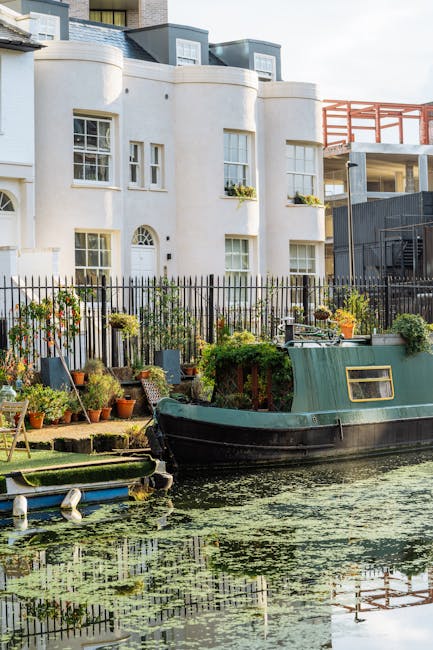
Gardeners for SE8 flats near Deptford Creek
If you live in an SE8 flat near Deptford Creek, you already know the garden challenge is a little different. Space can be tight, balconies can be windy, communal rules may limit what you can change, and light can shift from bright to oddly shaded in the blink of an eye. That does not mean you have to settle for a tired planter or a balcony that feels more functional than inviting. With the right Gardeners for SE8 flats near Deptford Creek, even a compact outdoor space can feel calm, green, and genuinely easy to live with.
This guide walks through what flat-friendly gardening really involves, how local gardeners approach the job, what to expect from the process, and where people usually go wrong. It also covers practical steps for choosing the right help, keeping costs sensible, and making the most of awkward urban conditions near the creek. Truth be told, the best results usually come from a mix of realistic planning and a few clever choices, not grand ambitions.
Key takeaway: in flats near Deptford Creek, gardening is less about "having more space" and more about using the space you do have with care, durability, and a bit of imagination.
Why Gardeners for SE8 flats near Deptford Creek Matters
Flat gardening around Deptford Creek is not the same as tending a traditional back garden. You are dealing with balconies, terraces, shared courtyards, roof spaces, narrow access routes, and often a lot of exposure to wind and saltier air. That combination changes everything. Plants that would be fine in a sheltered garden may struggle badly on a high, open balcony. Likewise, a container arrangement that looks lovely in spring can become cluttered and heavy by autumn if it is not planned properly.
That is why experienced gardeners matter here. They can judge what will survive, what will need regular attention, and what is simply not worth the bother. They also tend to spot practical issues early: drainage, weight load concerns, blocked access, awkward shade, or a balcony layout that traps water after rain. A decent gardener does not just "make it look nice." They help you avoid the sort of mistakes that become expensive or frustrating three months later.
For many SE8 residents, time is another big factor. Let's face it, most people in flats are not looking for a full-time horticultural hobby. They want a space that feels good after work, survives a bit of neglect, and doesn't need a weekly overhaul. That is where professional support becomes more than a luxury. It becomes a sensible way to keep the place looking cared for without turning your weekends into a second job.
There is also the question of value. Well-kept planting can soften hard surfaces, improve privacy, and make a small flat feel more finished. On a practical level, it can also help reduce visual clutter, manage weeds in shared edges, and keep paths, patios, or balcony corners safer and cleaner. For nearby residents who want a fuller outdoor refresh, services such as garden maintenance and patio cleaning can be especially useful when the space needs both tidying and structure.
How Gardeners for SE8 flats near Deptford Creek Works
The process usually starts with a straightforward assessment. A good gardener will look at the space itself, but also at the way you use it. Do you want somewhere to sit with a coffee? A greener balcony for privacy? A herb corner for cooking? A low-maintenance setup that does not blow over in strong weather? These answers shape everything that follows.
In practice, the work often falls into one or more of these categories:
- Container planning: choosing the right pots, compost, and plant combinations for sun, shade, and wind.
- Structural tidying: trimming, clearing, and reducing overgrowth that makes a small space feel cramped.
- Seasonal care: watering rhythms, feeding, deadheading, and replacing tired plants at the right time.
- Vertical growing: using walls, trellises, or climbing support to free up floor space.
- Hard-surface care: cleaning patios, decking, and access areas so the whole space looks finished, not just planted.
There is a reason vertical planting comes up so often in flat settings. In a compact area, the eye moves upwards. A slim climber or a well-placed screen can make a surprisingly big difference. If that sounds like your situation, the guide on bringing green to towering spaces is a useful companion read.
For flats exposed to poor weather, plant selection and positioning matter just as much as design. Wind can dry pots quickly, knock tall stems sideways, and make lightweight containers unstable. That is why some jobs involve more than planting; they include shelter planning, pot weighting, and sensible species choices. If you are trying to protect your space from gusts, the advice in creating a windproof garden retreat is well worth a look.
Some clients also need help reclaiming a neglected balcony or courtyard. In that case, the first stage may be clearing old compost, cutting back damaged growth, removing weeds, and getting the basics back under control. It is not glamorous, but it makes every later decision easier. And yes, it is usually the step that makes the biggest visible difference, which always feels satisfying.
Key Benefits and Practical Advantages
The obvious benefit is that the space looks better. But the real value goes deeper than appearance. Good gardening in SE8 flats can make your daily routine feel lighter, calmer, and more usable. A compact outdoor area is often the one place where you can step away from screens and city noise, even if only for ten minutes.
Here are the benefits that matter most in real life:
- Better use of limited space: smart planting can make a balcony or terrace feel larger and less cluttered.
- Lower maintenance stress: the right species and setup reduce the need for constant intervention.
- Improved privacy: carefully chosen hedging, climbers, or screens can soften sightlines without making the area feel boxed in.
- Cleaner surfaces: regular upkeep helps prevent grime, leaf build-up, and slippery patches on paving or decking.
- Better seasonal resilience: plants chosen for local exposure tend to recover faster after cold snaps, wet spells, or windy weather.
- More usable lifestyle space: seating, herbs, container planting, and lighting can make the area feel like an extra room.
There is also a subtle but important emotional benefit. A flat outdoor area that is tidy, alive, and a bit personal can change the feel of coming home. Not in a dramatic way. More like a background relief. You open the door, see some green, hear leaves moving in the breeze, and the whole place seems calmer.
If you are interested in specific planting styles, the article on ground covers for UK garden beauty and the guide to evergreen climbers for shady corners both show how to get more impact from a small footprint. For structured privacy, hedges that secure your space can also inspire the right balance between screening and space efficiency.
Who This Is For and When It Makes Sense
This kind of service suits a wide mix of people, and not only those with a "garden" in the traditional sense. Many SE8 residents have balconies, roof terraces, small courtyard patches, or shared outdoor areas that need the same care as a bigger garden, just handled differently.
It makes sense if you:
- want a balcony or terrace to feel more inviting without taking on a huge project
- have plants that keep failing because of wind, shade, or inconsistent watering
- need help turning a bare outdoor area into something useful
- prefer low-maintenance planting that still looks good
- share the space with pets or children and need to think about safety
- are short on time but do not want the area to drift into neglect
It is also a good fit if you have tried doing everything yourself and hit a wall. Quite common, actually. People start with enthusiasm, buy a few nice pots, maybe a climber or two, then discover the problem is not effort. It is matching the right plant, the right pot, and the right aftercare to a very particular urban setting. That is a small but important difference.
For pet owners, careful planning can reduce mess and avoid awkward plant choices. The article on integrating pet needs into your garden landscape is especially relevant if you have a cat or dog sharing the space. For families, the guides on kids' dream garden ideas and playful and secure garden tips can help you think through safety and usability, even in compact settings.
Step-by-Step Guidance
If you are planning work for a flat near Deptford Creek, it helps to treat the project as a sequence rather than a single big makeover. The best results tend to come from calm, practical steps. Nothing fancy. Just the right order.
- Define the purpose. Decide whether the space is for relaxing, growing edibles, screening, entertaining, or simply looking neat.
- Check the conditions. Note wind exposure, direct sun, shade, drainage, and how much shelter the space actually has.
- Measure properly. In small spaces, even a few centimetres matter. Measure width, depth, access routes, and any awkward corners.
- Sort the basics first. Clear dead growth, weeds, old pots, broken fixtures, and anything that is making the area feel tired.
- Choose planting by environment. Do not start with a wishlist alone. Start with what the space can genuinely support.
- Plan containers and support. Use stable pots, good compost, drainage holes, and supports where needed.
- Build in maintenance. Pick a system you can actually keep up with. If you travel often, choose tougher planting and simpler routines.
- Review after a few weeks. See what is thriving and what is struggling, then adjust rather than forcing it.
A small example: a south-facing flat might look ideal, but if the balcony gets reflected heat and dries out fast, Mediterranean-style planting in light pots may outperform thirstier ornamentals. On the other hand, a shady courtyard may need textural foliage, shade-tolerant climbers, and a few well-chosen containers rather than bright flowers that sulk by August. The trick is not to fight the site.
If your space is severely overgrown or filled with stubborn weeds, it can be wise to start with a proper reset. The article begin your garden makeover and the guide to weed control strategies are useful when you need to turn a messy area into a manageable one.
Expert Tips for Better Results
Small spaces reward restraint. That is the first thing people often overlook. A flat terrace does not need twelve different plant themes. It needs a few strong ideas repeated well.
Here are some practical tips that tend to work:
- Use repetition: three or four matching containers can look calmer than a scatter of random pots.
- Choose heavier pots where wind is a problem: lightweight tubs can topple or slide.
- Prioritise drainage: soggy roots are a common cause of failure in urban containers.
- Think vertically: a climber or slim trellis can give height without taking up walking space.
- Mix textures, not chaos: pair glossy leaves with softer foliage instead of trying to cram in every colour under the sun.
- Leave breathing room: a little empty space makes the area feel more expensive and more peaceful, oddly enough.
One of the simplest upgrades is to use quality compost and feed consistently during the growing season. You do not need complicated routines. You need consistency. Same with watering. A quick little check on bright mornings often beats one big soak after everything has already dried out.
There is also a design trick that works beautifully in urban spaces: pick one focal point. It might be a seat, a statement pot, an evergreen climber, or a cluster of herbs near the door. Without a focal point, small spaces can feel a bit noisy. With one, they feel intentional.
For readers who like herb growing, the article on herb gardening basics is a handy reminder that food-growing in containers needs proper light, compost choice, and regular pinching back. If you want a broader starting point, gardening techniques to kickstart your horticultural journey offers a good grounding.
Common Mistakes to Avoid
A lot of flat-garden problems come from good intentions applied in the wrong order. It happens all the time. You see a nice plant, bring it home, and only later realise the wind has other ideas.
Watch out for these common mistakes:
- Choosing plants for looks only: a beautiful plant that hates wind or shade will become a disappointment fast.
- Overcrowding: cramped pots and too many features make small spaces feel smaller.
- Ignoring weight: balconies and roof terraces need sensible container choices.
- Skipping maintenance planning: even low-maintenance plants need some attention.
- Forgetting the surfaces: a lovely planting scheme can still look unfinished if paving or decking is dirty.
- Using weak supports: climbers and screens need stable fixings, not a hopeful bit of string and a prayer.
Another common issue is poor seasonal timing. People buy tender plants in spring, enjoy them for a while, then forget about protection when the weather turns. The guide on winter care for your garden is a sensible reference if you want to avoid that annual disappointment.
If your flat is exposed to rough weather, the articles on stormproofing your garden and windproof garden retreat tactics are especially useful. They help you think beyond aesthetics and into practical survival. Which, to be fair, matters more than any fancy pot ever will.
Tools, Resources and Recommendations
You do not need a shed full of specialist kit to manage a flat space well. In most cases, the right basics are enough. Simple tools tend to win in urban gardening because storage is limited and jobs are usually small but frequent.
Useful tools often include:
- a lightweight watering can or hose attachment suitable for compact areas
- secateurs for deadheading and small pruning jobs
- gloves with a good grip
- a small hand fork or trowel
- stable planters with drainage holes
- supports, ties, or trellises for climbers
- a broom or patio brush for keeping hard surfaces tidy
For some projects, professional services are the better "resource" than any tool. For example, lawn mowing and lawn care are useful if your flat comes with a shared or small turf area that still needs regular maintenance. If you have hard landscaping, decking services and fencing may help create structure, privacy, or safer boundaries.
For bigger changes, it can be smart to look at landscaping or gardening services rather than trying to piece everything together yourself. And if overgrown trees are blocking light or crowding the space, tree surgery may be the more appropriate route.
One practical note: if you are comparing support options, it helps to ask whether the work includes clearance, planting, disposal, and follow-up care. A shiny first visit is nice, but ongoing usefulness is what makes the space stay good.
Law, Compliance, Standards, or Best Practice
For flat gardening near Deptford Creek, compliance is usually more about common-sense safety and property rules than complex formalities. Still, it matters. Shared buildings, leasehold properties, and communal outdoor areas often have expectations about noise, access, storage, waste disposal, and what can be fixed to walls or railings.
Some good-practice points are worth keeping in mind:
- Check lease or building rules: especially before drilling, attaching trellis systems, or changing communal areas.
- Keep access clear: do not block fire exits, stairwells, or shared walkways with pots or furniture.
- Use safe fixings: balcony or wall-mounted items should be properly secured.
- Manage water responsibly: avoid runoff that can affect neighbours below.
- Dispose of waste properly: green waste and hard waste should not be left in shared spaces.
- Think about load: heavy planters, wet compost, and large stones add weight quickly.
Professional gardeners should also work with sensible health and safety habits. If you are hiring help, it is reasonable to ask how they handle site safety, waste, and insurance. Services such as health and safety policy, insurance and safety, and payment and security can give reassurance around how the company operates. The pages on terms and conditions and privacy policy are worth checking too, especially if you want to understand how bookings and data are handled.
In a shared residential setting, best practice is really just respectful practice: tidy work, clear communication, and no surprises. That sounds basic. It is. But basic is often what separates a smooth job from a headache.
Options, Methods, or Comparison Table
When choosing how to improve a flat outdoor area, the right method depends on the size of the space, your time, and how much structure you want. There is no single best answer, which is mildly annoying but also useful, because it means you can choose what actually fits.
| Approach | Best for | Strengths | Trade-offs |
|---|---|---|---|
| Container-led planting | Balconies, terraces, compact courtyards | Flexible, movable, easy to refresh seasonally | Needs regular watering and careful pot choice |
| Vertical planting | Very small spaces and screening needs | Saves floor space, adds height, improves privacy | Requires stable support and sensible maintenance |
| Maintenance-only support | Spaces already set up but looking tired | Fast improvement, keeps costs controlled | May not solve deeper design issues |
| Full makeover | Neglected or awkward outdoor spaces | Most transformative, can solve multiple problems at once | Higher cost and more planning needed |
If you want a softer, more decorative scheme, you might lean towards layers of foliage and flowers. If you want easier upkeep, repeat fewer species and build around evergreens. If the aim is an outdoor room, then seating, structure, and surface care matter just as much as plants. A good local gardener can help you decide which blend gives the best return for your actual space, not just an ideal one.
Case Study or Real-World Example
A typical SE8 flat project near the creek might start with a balcony that feels bare in winter and too exposed in summer. The owner wants greenery, but previous plants have keeled over from wind or dried out during a busy week. The space is also a bit cluttered, with mismatched pots and a patchy floor surface that makes everything look unfinished.
The first step is a reset: clear dead growth, remove weak planters, sweep and wash the hard surfaces, and check drainage. Then the design gets simplified. Instead of lots of random pots, the gardener introduces a few sturdy containers with one main planting theme, plus one vertical feature for height. A wind-tolerant evergreen gives structure. A small herb pot near the door adds usefulness. A climber softens the wall. The seating area stays simple, just enough for one chair and a small table.
What changes most is not just the look. It is the feeling of the space. Suddenly, there is a place to step out in the morning, water a few pots, and actually enjoy the view. It stops being "that balcony" and starts feeling like part of the home. You can almost hear the difference when the clutter is gone. Less clink, less shuffle, more calm.
For a more design-led version of this kind of work, the articles on zen garden tips, garden seating ideas, and container gardening show how small details can change the whole experience. If the budget is tight, budget garden transformations is especially relevant.
Practical Checklist
Use this checklist before you book or start work. It keeps the project grounded and saves a lot of backtracking.
- Measure the space properly, including access points and awkward corners.
- Check sun, shade, and wind exposure at different times of day.
- Decide whether you want privacy, seating, planting, or a mix.
- List any restrictions from the building, lease, or shared-area rules.
- Identify plants that have already failed and note why.
- Choose containers that are stable, drained, and sized for mature growth.
- Plan a maintenance routine that fits your schedule, not someone else's.
- Ask how waste, pruning, and aftercare will be handled.
- Review whether any surfaces need cleaning or repair first.
- Think through pet safety, child safety, and balcony safety if relevant.
If you are unsure where to begin, a good first step is often a simple conversation with a local team through about us or direct enquiries via contact. You can also look at pricing and quotes to get a feel for how the work may be scoped. No need to overcomplicate it.
Conclusion
Gardeners for SE8 flats near Deptford Creek are not just about keeping pots alive. They are about making small urban spaces feel calmer, safer, and more usable in daily life. With the right planning, a balcony or terrace can become a practical extension of your home rather than an afterthought. That might mean better screening, tidier surfaces, stronger planting, or just a space that no longer feels like it is waiting for attention.
The best outcomes usually come from realism. Know the conditions. Choose durable planting. Keep the structure simple. Build in maintenance from the start. And if the space feels overwhelming, start smaller than you think you need to. Smaller is often smarter, especially in SE8.
Get a free quote today and see how much you can save.
And if you do nothing else this week, at least step outside for two minutes, look at the space properly, and imagine what would make it easier to enjoy. That one little pause can change the whole project.
Frequently Asked Questions
What do gardeners for SE8 flats near Deptford Creek usually help with?
They usually help with container planting, balcony and terrace tidy-ups, pruning, weed control, seasonal care, and making small outdoor spaces easier to manage. In some cases, they also help with cleaning hard surfaces or setting up vertical planting.
Can a flat balcony really support proper gardening?
Yes, absolutely. The key is using the right containers, choosing plants suited to wind and light conditions, and keeping the design compact. A balcony does not need to be large to feel green or useful.
What plants work best near Deptford Creek?
That depends on exposure, but tough, container-friendly, wind-tolerant, and often evergreen plants are usually a safer starting point. Shade-tolerant or drought-tolerant choices may also be a good fit depending on the exact position.
How often will a flat outdoor space need maintenance?
Most flat spaces need some regular attention, especially in spring and summer. Watering, deadheading, checking for pests, and occasional pruning usually keep things on track. Low-maintenance does not mean no maintenance, sadly.
Are vertical gardens a good idea for small SE8 flats?
Yes, they can be very effective because they save floor space and add height. They work especially well where privacy or visual interest is needed without overcrowding the area.
What should I ask before hiring a gardener for a flat?
Ask what is included, whether they handle waste removal, how they manage safety, what plants they recommend for your exposure, and whether follow-up care is part of the plan. That keeps expectations clear from the start.
Can gardeners help with neglected balcony or terrace spaces?
Yes. Clearing old pots, removing dead growth, tackling weeds, and resetting the space are common first steps. Once the area is cleared, it is much easier to see what will actually work there.
Is patio or decking cleaning worth it for a flat outdoor area?
Usually, yes. Clean hard surfaces make a small space feel much bigger and more cared for. They also reduce grime and can help improve safety underfoot.
How do I keep a flat garden from getting blown around by the wind?
Use heavier containers, shorter or more flexible planting, proper supports, and a layout that shelters the most vulnerable plants. Windproofing is as much about placement as plant choice.
What if my flat has shade most of the day?
Shade is not a dead end. It just means you need different plants and a different design approach. Foliage, structure, and shade-tolerant climbers can work beautifully where bright flowers struggle.
Do I need permission to make changes to a flat balcony or shared area?
Sometimes, yes. Lease terms, building rules, or shared-area expectations may apply. It is sensible to check before attaching supports, changing surfaces, or placing heavy items.
How do I keep costs sensible when improving a flat garden?
Start with the basics: clearing, pruning, and a few key planters. You can build up over time. A phased approach often gives better value than trying to finish everything in one go.