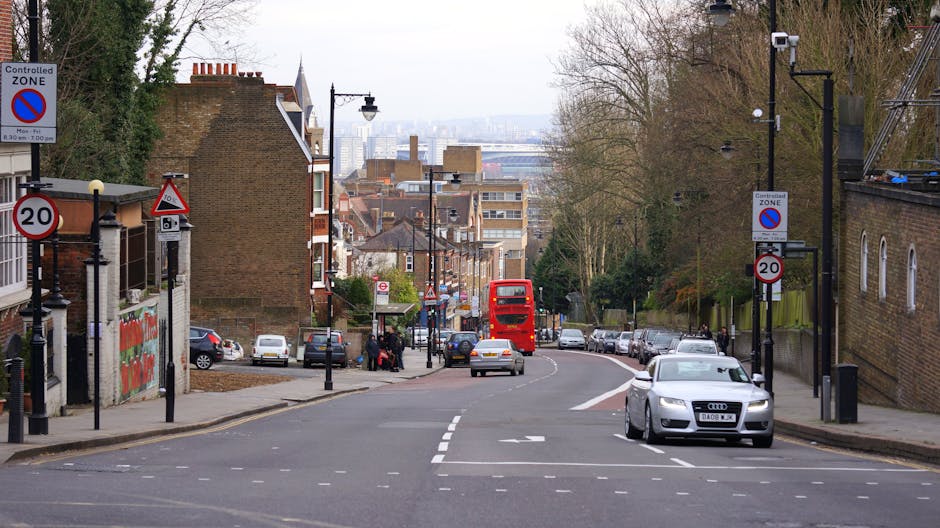
Access Problems on Steep Deptford Yards Hiring Gardeners: Practical Solutions for Tight, Sloping Spaces
Steep yards can turn a straightforward garden job into a bit of a puzzle. If you are dealing with access problems on steep Deptford yards hiring gardeners, you already know the real issue is not just the slope itself. It is the narrow side path, the awkward steps, the slippery surface after rain, the lack of storage space, and the simple fact that tools, soil, and green waste still have to get in and out somehow. That is where good planning matters.
This guide explains how gardeners approach difficult access in Deptford yards, what to expect before work starts, and how to reduce stress, delay, and unnecessary damage. It also covers safety, practical methods, service selection, and the questions people usually forget to ask until the day the work begins. Let's face it, the garden is only half the job; getting to it cleanly and safely is the other half.
Why access problems on steep Deptford yards hiring gardeners Matters
In a steep rear yard, access is not a side issue. It affects time, labour, safety, finish quality, and even which services are sensible in the first place. A team may be perfectly capable of mowing a lawn, but if every bag of cuttings has to be carried up a slippery run of steps, the job becomes slower and riskier. That changes the whole plan.
Deptford has a mix of older housing stock, compact plots, terraced layouts, and yards that were never designed for modern garden equipment. In practical terms, that can mean a narrow gate, a shared passage, uneven paving, or a raised drop from house to garden. Sometimes there is room for a wheelbarrow but not a mower. Sometimes there is space for a mower but not a sensible turning circle. Small thing? Not really. It decides whether a garden can be maintained efficiently or needs a more tailored approach.
For homeowners, landlords, and managing agents, the main reason this matters is predictability. If the access issue is discussed early, the gardener can estimate labour properly, bring the right equipment, and avoid delays. If it is discovered halfway through, everybody has a longer day than they planned. Nobody enjoys that, least of all on a wet Tuesday with a load of hedge trimmings waiting to be shifted.
It also matters because access issues can affect the type of work you choose. For example, heavy landscaping materials, timber fencing panels, or soil removal for a redesign may be possible, but they need a very different setup from a routine tidy-up. If the yard is steep and awkward, you may find that a phased approach works better than trying to do everything at once.
How access problems on steep Deptford yards hiring gardeners Works
The process usually starts before anyone arrives on site. A good gardener will want to understand the layout: where the entrance is, how wide it is, whether there are steps, whether gates open fully, where tools can be left, and how waste will leave the property. It sounds obvious, yet this is where many issues begin. A photo or short video can be more useful than a long explanation, because a picture shows slope, surface, and pinch points quickly.
Once the access is clear, the work can be planned around it. That may mean using lighter hand tools instead of heavier kit, bringing smaller bags rather than large waste containers, breaking the job into stages, or starting with clearance to make movement easier. In some yards, the best approach is to clear the worst congestion first so the team has a safer route for the rest of the work. Simple, but effective.
There is also a practical safety layer. Slopes change how people move, especially when carrying loads. Wet moss, loose gravel, broken slabs, and old timber steps can all increase the chance of slipping. The gardener may need to decide whether a job is safe to carry out as planned, or whether adjustments are needed before work begins. That judgment call is part of the service, and honestly it is one of the signs you are dealing with someone who knows what they are doing.
For certain jobs, access planning links naturally with other services. A badly overgrown yard might be easier to work in after garden clearance. If shrubs block the passage, hedge trimming may open up the route. For major changes, landscaping or landscape gardening may be the better long-term answer. In other words, access is often part of the solution, not just a nuisance to work around.
Key Benefits and Practical Advantages
When access is properly managed, the benefits go beyond neat paperwork and tidy scheduling. You get a better result, fewer surprises, and a garden that is more maintainable afterwards. That is the real prize.
- Safer work on site: A clear plan reduces slips, trips, and strained lifting.
- More accurate quotes: The gardener can estimate labour and waste handling more realistically.
- Less damage to paths and steps: Better routing helps protect railings, paving, paintwork, and narrow gateposts.
- Faster completion: The team is not improvising every five minutes.
- Better quality finish: Less energy spent wrestling with access means more attention goes into the actual garden work.
- Lower stress for the homeowner: You are not trying to solve logistics on the morning of the job.
There is also a quiet financial benefit. A yard that is awkward today may stay awkward forever, but the access plan can still reduce repeat labour. For example, if waste removal is made easier, regular maintenance becomes more affordable over time. If the route is improved or the layout simplified, routine visits become smoother. That is especially useful for rental properties where turnaround time matters.
To be fair, some people focus only on the immediate task, like mowing or cutting back shrubs. But in a steep Deptford yard, the biggest win is often making the space easier to use again next month. That is the bit that pays off.
Who This Is For and When It Makes Sense
This kind of service makes sense for a wide range of people. The common thread is not the size of the garden; it is the difficulty of getting around it safely and efficiently.
- Homeowners with rear yards reached by narrow side access or steps.
- Landlords who need fast, dependable turnaround between tenancies.
- Older residents who want the garden managed but cannot easily handle the access themselves.
- Busy families who need a practical maintenance plan rather than a one-off tidy-up every few months.
- Property managers dealing with shared access, neighbour boundaries, or limited storage space for waste.
- People planning improvements such as new fencing, a small patio, or general reshaping of the yard.
It makes sense when the job is small enough to be worthwhile but too fiddly to do comfortably without help. A compact yard can still be hard work, especially if it slopes away from the property or has a mix of concrete, old soil beds, and uneven surfaces. You might think, "It's only a little garden." Then you carry one bag of cuttings up those steps and suddenly it is not little at all.
It also makes sense if you are dealing with regular overgrowth that keeps coming back because the access discourages maintenance. In those cases, a tailored garden maintenance plan is often more effective than occasional emergency clearing.
Step-by-Step Guidance
If you are hiring gardeners for a steep yard, the work goes more smoothly when you treat access as part of the quote request. Here is a simple way to handle it.
- Describe the access clearly. Mention gate width, steps, slope, side passage, and whether the route is shared.
- Send photos if possible. A few images from different angles are often enough to show what words miss.
- List the actual job, not just the garden size. Say whether you need mowing, cutting back, waste removal, pruning, or a full tidy-up.
- Ask how waste will be removed. This is a big one in steep or narrow yards.
- Check whether the gardener needs parking or unloading space. In parts of London, that can influence timing more than the work itself.
- Confirm what happens if access is worse than expected. A sensible provider will explain how they handle surprises.
- Prepare the route before the visit. Move bins, bikes, plant pots, and anything that blocks the way.
- Be available for the first few minutes. Sometimes a quick face-to-face walk-through saves a lot of confusion.
If the garden needs more than a maintenance visit, ask whether the work should be split into stages. For example, a first visit could focus on lawn mowing, clearing the access route, and removing waste. A second visit could handle edging, reshaping, or related improvements. It is often the calmest way to do it.
One more thing: if the garden includes a hard surface that has become slippery, a service like patio cleaning can make access much safer before heavier work begins.
Expert Tips for Better Results
In our experience, the best results come from keeping things simple and realistic. Fancy plans can be lovely, but steep yards reward practicality.
- Photograph the access in daylight. Shadows hide steps, dips, and slick patches.
- Tell the gardener about awkward corners. A narrow turn halfway down the yard can matter more than the gate itself.
- Think in carrying distances, not just garden size. Thirty metres of repeated lifting changes the job a lot.
- Keep a clear waste path. Even a decent route becomes a problem if it is cluttered with toys, tools, or plant pots.
- Consider long-term design fixes. A small fencing adjustment or access-friendly layout may save repeated hassle later.
- Ask for a maintenance-friendly finish. It is better to have a garden that is easy to keep in shape than one that looks dramatic but becomes a headache.
Here is a small but useful observation: gardeners often spot access issues that owners stop noticing. You get used to stepping over a broken slab or squeezing past a compost bin. Outsiders do not. That fresh view can be gold.
Also, if your garden has mature shrubs or a tree encroaching into the access route, it may be worth discussing tree surgery or tree lopping and removal. Clearing the route does not have to mean sacrificing the whole garden. Sometimes it just means restoring a sane path through it.
Common Mistakes to Avoid
Most access problems become more expensive or frustrating because of simple oversights. Nothing dramatic. Just small things that pile up.
- Understating the slope: "A slight incline" can turn out to be a proper climb.
- Forgetting waste removal: A tidy finish is hard to achieve if cuttings have nowhere to go.
- Assuming all tools fit through the same route: A mower might fit; a wheelbarrow might not.
- Ignoring surface condition: Wet concrete, moss, and loose gravel are a problem, especially on inclines.
- Not checking shared access rules: If a passage is communal, you may need to keep neighbours in mind.
- Booking one-off work for a recurring issue: If access blocks regular maintenance, the same problem comes back fast.
A classic mistake is waiting until the gardener arrives before mentioning the tricky bit. It feels small in the moment. It is not small once bags of debris are sitting in the wrong place and everyone is trying not to scuff the wall. Much easier to be upfront.
Another common one: choosing a service only by price. There is nothing wrong with value, of course, but steep-yard work is less forgiving than a flat front lawn. A quote that ignores labour, access time, or waste handling may look attractive and then become awkward later.
Tools, Resources and Recommendations
For difficult access gardens, the right kit matters. Not because every job needs heavy machinery, but because the wrong equipment makes the job clumsy and tiring.
| Method or tool | Best for | Why it helps | Watch out for |
|---|---|---|---|
| Hand tools | Tight access and detailed work | Light, flexible, easy to carry | Slower for large clearances |
| Compact mower | Small lawns with narrow routes | Fits through tighter gaps | May still struggle on very steep ground |
| Waste bags and smaller loads | Steep yards with awkward exits | Safer than overfilling heavy containers | Requires more trips |
| Step-by-step clearance | Overgrown or cluttered yards | Creates working room first | Can take longer initially |
| Surface cleaning | Slippery paths and patios | Improves traction and safety | Not a cure for structural defects |
If you are comparing services, the broader gardening services page is a useful starting point for understanding what can be included. For more routine outdoor upkeep, lawn care and lawn mowing may be enough; for bigger jobs, the right answer may be clearing, pruning, or a layout change.
For pricing expectations, it is sensible to review pricing and quotes early, especially if the access is likely to add labour time. That is just good planning, not overthinking.
Law, Compliance, Standards, or Best Practice
For garden work involving steep access, the most important principle is simple: the work should be planned and carried out safely. In the UK, that usually means sensible risk assessment, safe lifting, appropriate tools, and enough care to avoid endangering workers, residents, or neighbours. You do not need to become an expert in regulations to ask whether a provider works safely.
Best practice in this kind of setting normally includes:
- Clear communication before arrival about access, hazards, and any shared areas.
- Reasonable manual handling so heavy waste is not carried in a way that creates avoidable strain.
- Slip and trip awareness on slopes, mossy paving, wet steps, and uneven surfaces.
- Responsible waste handling with sensible routes and disposal planning.
- Respect for neighbours and property boundaries, especially where access is communal or close to adjoining homes.
If insurance, health and safety, or security matter to you, it is sensible to review the company's own policy information before booking. For example, pages such as health and safety policy, insurance and safety, terms and conditions, and privacy policy help set expectations. If you care about values and responsible practice, recycling and sustainability and modern slavery statement are also worth a look.
There is no need to be stiff about this. Just be practical. A serious provider should be comfortable explaining how they work safely on awkward sites. If they dodge the question, that tells you something.
Options, Methods, or Comparison Table
Not every steep yard needs the same approach. The right method depends on access width, slope, waste volume, and how regular the work will be. Here is a simple comparison.
| Approach | Best suited to | Pros | Trade-offs |
|---|---|---|---|
| One-off clearance | Very overgrown, hard-to-enter yards | Creates breathing room quickly | May not solve the access issue long term |
| Regular maintenance | Yards that become unruly between visits | Stops access from getting worse | Needs consistent scheduling |
| Access-led redesign | Problem yards with repeated friction | Can make future visits much easier | Usually involves a bigger upfront decision |
| Targeted task only | Small jobs with manageable access | Cost-effective and simple | Limited if the garden is badly cluttered |
For a yard with poor access, the most common mistake is choosing the smallest possible job when the garden actually needs a more joined-up plan. A tiny intervention can be perfect if you only need the lawn cut and waste removed. But if the space is overgrown, shaded, uneven, and hard to enter, a wider approach is often better value.
If you are thinking beyond routine maintenance, services like decking services or landscaping may help rework the space into something easier to live with. That is the long game, really.
Case Study or Real-World Example
Picture a typical Deptford rear yard: narrow side access, a couple of steps down from the kitchen, a sloping concrete surface, and a patch of overgrown border plants squeezing the route even further. Nothing dramatic, just a familiar urban garden that has become a bit of a bottleneck.
The homeowner wants a clean-up, lawn cut, waste removed, and the path made usable again. On paper, it sounds like a half-day job. On site, it turns out the slope means bags of cuttings need to be moved carefully, the gate only opens part way because of a bin store, and the patio has a thin film of moss that makes every step feel less certain. That is the moment the plan changes slightly.
The sensible response is not to push through and hope for the best. It is to clear the access first, remove the worst trip hazards, and then work in stages. The gardener may start with the route, then handle the lawn, then cut back the overhang, and finally remove waste in manageable loads. The result is cleaner, safer, and oddly more satisfying because the space begins to feel larger as the work goes on. You can almost hear the garden breathing again.
This kind of job also tends to reveal the value of regular upkeep. Once the route is open and the clutter is down, future visits become faster. The garden is no longer fighting the gardener every step of the way. Which, frankly, is a lovely change.
Practical Checklist
Use this before booking anyone for a steep yard job. It saves a lot of back-and-forth.
- Measure or estimate the narrowest access point.
- Note any steps, slopes, handrails, or slippery surfaces.
- Take daylight photos from the house to the yard.
- List the exact tasks you need done.
- Confirm how green waste will be removed.
- Move bikes, bins, toys, and tools out of the route.
- Check whether neighbours share the passage or gate.
- Ask whether the gardener can work in stages if needed.
- Review safety, insurance, and terms before confirming.
- Ask for a quote that reflects access conditions, not just garden size.
Expert summary: In steep Deptford yards, the best gardener is not just the one who can cut, trim, or clear. It is the one who thinks about access like part of the job, not an afterthought. That mindset usually saves time, protects the property, and gives you a calmer experience all round.
Get a free quote today and see how much you can save.
Conclusion
Access problems in steep Deptford yards are common, but they are very manageable when handled properly. The key is to be honest about the layout, realistic about the workload, and clear about what needs to happen before the first cut is made or the first bag is moved. Once the route is understood, the whole job becomes easier to plan and safer to complete.
If you are weighing up whether to book help, start with the access, not the tools. That one decision usually leads to better advice, a fairer quote, and a result that lasts longer. And if the garden has become one of those spaces you avoid looking at, well, this is often the point where that starts to change. Slowly at first, then all at once.
There is something quietly satisfying about turning a cramped, awkward yard into a place you can actually use without a deep sigh. Small win? Maybe. But a real one.
Frequently Asked Questions
How do gardeners deal with steep yard access in Deptford?
They usually start by assessing the route, the slope, and the safest way to move tools and waste. That may mean using lighter equipment, smaller loads, or a staged approach so the job stays practical.
Do I need to mention access problems before booking?
Yes. The earlier you explain the access, the better the quote and the smoother the visit. If the gardener knows there is a narrow gate, steps, or a steep drop, they can plan properly.
Will difficult access make the quote more expensive?
It can, because access affects labour time, waste handling, and sometimes the type of equipment needed. A fair quote should reflect the real conditions rather than a flat estimate based only on garden size.
What photos should I send for a quote?
Send wide shots of the yard, close-ups of steps or tight entrances, and any areas that feel slippery or cluttered. A few clear images from different angles are usually enough to be useful.
Can a steep yard still be maintained regularly?
Absolutely. In many cases, regular garden maintenance is the best solution because it stops the job from getting out of hand and keeps the access route manageable.
What if the garden is too awkward for larger tools?
Then the job may need hand tools, smaller equipment, or a revised plan. Sometimes a one-off clearance helps create enough working room for future visits.
Is it safe to work on wet, sloping paving?
It can be risky. Wet slopes, moss, and uneven surfaces increase the chance of slips, so a careful gardener will assess whether the area needs attention before heavier work begins.
Should I clear the route before the gardeners arrive?
Yes, if you can. Move bins, bikes, plant pots, and anything else that blocks the path. It sounds small, but it saves time and reduces the chance of damage.
What kind of services are most useful for steep yards?
It depends on the space, but common needs include garden clearance, hedge trimming, lawn mowing, patio cleaning, and sometimes landscaping if the layout itself is making maintenance too difficult.
Can access problems affect waste removal?
Definitely. If the route is narrow or steep, waste may need to be bagged and removed in smaller loads. That is normal, but it should be planned for from the beginning.
What should I ask before hiring a gardener for an awkward yard?
Ask how they assess access, what equipment they bring, how they handle waste, whether the job can be done in stages, and what happens if the site is more difficult than expected.
Where can I check a company's policies before booking?
Look at the company's pages for health and safety, insurance and safety, terms and conditions, pricing and quotes, and privacy policy. Those pages help you understand how they work and what to expect.